

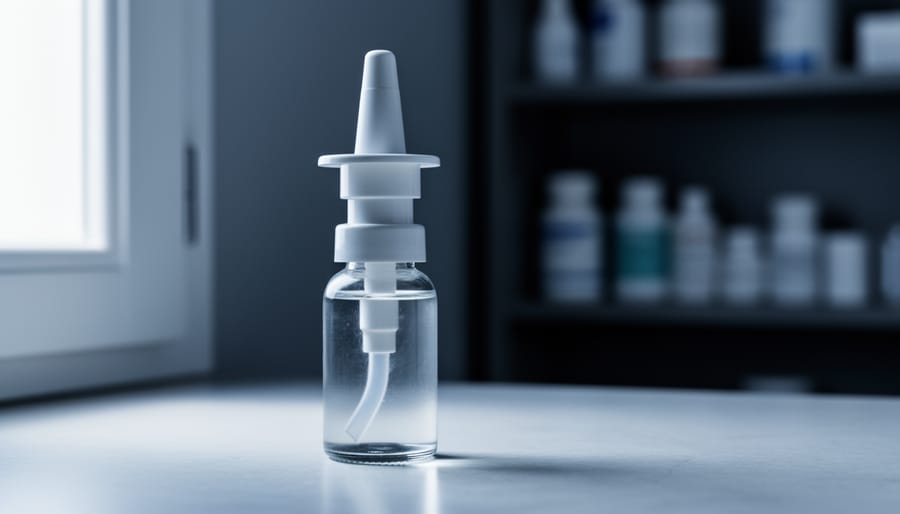

Storing PT-141 Nasal Spray: How to Keep It Stable and Handle It Safely
Keep your PT-141 nasal spray stable by storing it exactly as the label says, usually in a cool, dark spot away from heat, sunlight, and moisture, and handling it the same careful way every day. Setup takes about five minutes, and the only real skill is consistency. Whether you use Kylo PT-141 Nasal or any other formulation, the label and your pharmacist have the final word on exact temperatures and shelf life.
Why does it matter so much? Peptide sprays can lose potency when they’re exposed to warmth, light, or contamination, and you won’t always see it happening. That’s a real concern in Los Angeles, where a bottle left in a parked car or on a sunny bathroom shelf can get hot fast.
Below, you’ll find what you need on hand, what to avoid, a simple daily routine, and quick checks for whether your spray is still usable. Plus a few easy habits that help you avoid replacing a bottle before you have to.
Why Storage Matters for a Peptide Nasal Spray
Peptides are small chains of amino acids, and they tend to be pickier than the pills in your medicine cabinet. A basic tablet can shrug off a warm shelf for months. A peptide nasal spray is a liquid, and in a liquid the active ingredient has more chances to break apart. Warmth speeds that up, light can nudge it along, air exposure adds risk, and simple time takes its toll too. When the ingredient degrades, the spray may not work as well as intended.
How sensitive any one product is depends on its specific formulation. The ingredients mixed in, the bottle design, and how the product was made all play a part. That’s why general advice should never override what’s printed on your label or what your pharmacist tells you. If those directions say one thing and an article says another, follow the label every time.
Think of it like your home. Understanding where heat and moisture sneak in helps you spot the same trouble spots when choosing a storage place. Garages, sunny windowsills, and steamy bathrooms are common culprits.
This article shares general handling basics, not medical advice. Please confirm the details with your pharmacist or healthcare provider.
What You Need Before You Set Up a Storage Spot
Setting up a good storage spot doesn’t take much, and most of what you need is probably already in your home. Before you pick a shelf, gather these basics:
- The original box and any patient information leaflet, since they hold the storage directions and discard date.
- A small opaque container with a lid to block light and keep dust out.
- A simple, inexpensive thermometer to check the temperature of the spot you choose.
- A marker and a few labels or a small tag for noting the date received and the date first opened.
- A clean, dry tissue or cloth for wiping the nozzle after use.
Keep the original packaging rather than tossing it. It’s the quickest way to double-check directions later, and it protects the bottle from light. If your pharmacy sent the spray in a labeled bag, hold on to that too, or write the date you received it right on the tag.
You don’t need to buy anything fancy here. A small lidded box you already own, like an empty tea tin, a sturdy craft box, or a plastic food container, works just as well as a specialty case. Pick one that’s opaque, clean, and dry, and you’ve covered the most important part for pennies.
The thermometer is the one item people skip, but it’s worth the few dollars. Spots that feel cool to your hand can still run warm in a Los Angeles home, so a quick reading takes the guesswork out.
Safety Warnings and When to Stop and Ask a Pharmacist
Good storage habits only work if you pair them with a few firm safety rules. None of these are complicated, and they protect you and the people around you.
Keep the spray out of reach of children and pets, ideally in a lidded box on a high shelf. Never share your spray with another person, even someone with the same prescription. Each device is meant for one user, and sharing raises contamination risks.
Check the expiration or discard date before every use, and don’t push past it. Once a date has passed, the ingredient may not hold up the way the label promises. It’s also smart to discard cloudy or discolored drugs along with anything that has visible particles floating in the liquid. Look at the nozzle too. If it’s cracked, clogged, or doesn’t spray smoothly, set it aside.
If you’re unsure whether a bottle has been exposed to heat or freezing, like a forgotten afternoon in a Los Angeles car, don’t guess. Call your pharmacist or prescriber and describe what happened. They can tell you whether it’s still fine or whether you should ask for a replacement. And remember, your prescriber should guide how and when you use the product itself. This article only covers keeping it stable and handling it safely.
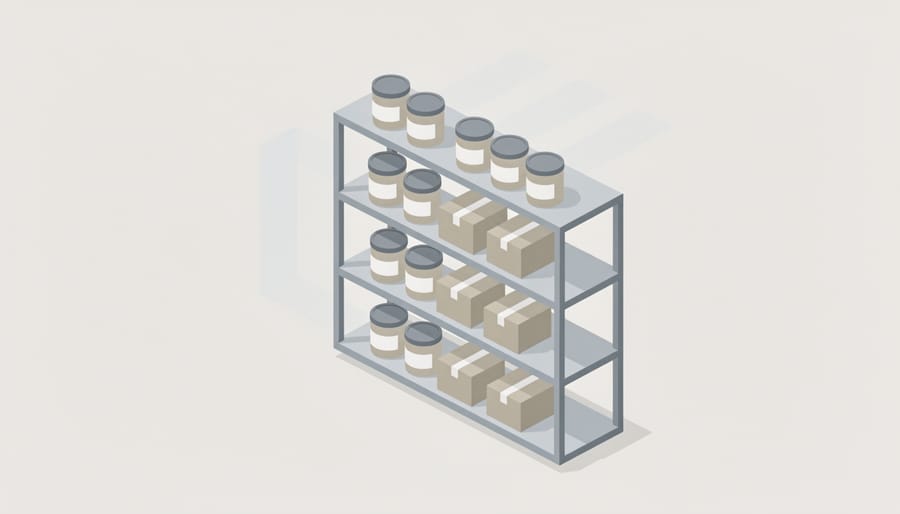
How to Store and Handle Your Spray, Step by Step
Keeping It Cool During Hot LA Days and Travel
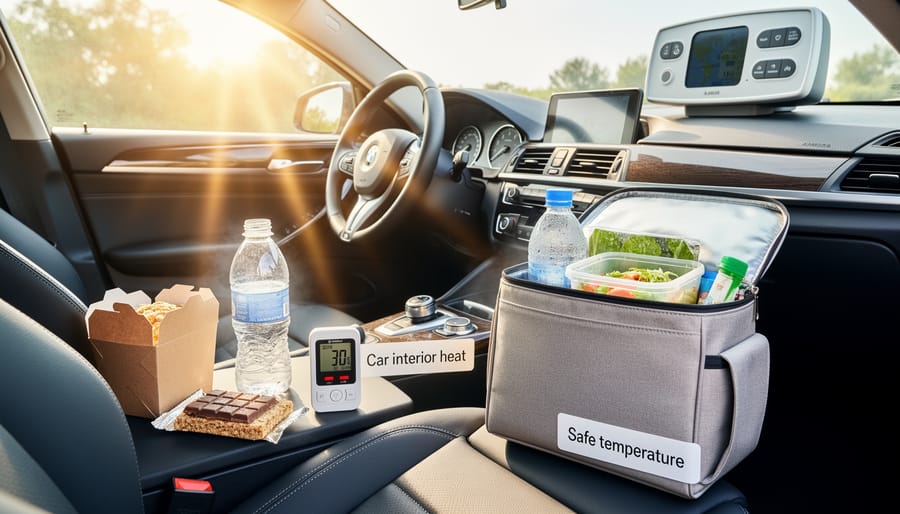
Even on a mild day, a parked car can turn into an oven, and California heat makes that risk very real for temperature-sensitive items like your spray. Never leave it in the car, the garage, or a sunny window, even for a quick errand. At home, pick a stable interior spot that stays steady through the day.
For errands and trips, a small insulated pouch helps buffer against temperature swings. You don’t need a specialty travel case. A household insulated lunch bag does the job and costs far less, and you may already have one in the kitchen.
Here’s a simple routine to follow each time:
- Check the label for storage directions as soon as the spray arrives.
- Write the date received and the date first opened on the box.
- Store it upright with the cap on, in a cool, dry, dark interior spot.
- When you head out, slip it into your insulated pouch and keep it with you, not in the car.
- After each use, wipe the nozzle with a clean, dry tissue.
- Return it to its container right away.
If it ever sits in the heat longer than you intended, call your pharmacist before using it.
How to Check That Your Spray Is Still in Good Shape
Before each use, take thirty seconds to run through a quick check. It’s the easiest way to catch a problem before it becomes one.
- Check the expiration or discard date on the label and your own notes.
- Look at the liquid: it should be clear, with no cloudiness, color change, or floating particles.
- Inspect the nozzle for cracks, clogs, or residue.
- Think back on where it’s been since last use, especially any hot car or sunny window.
- If anything looks wrong, contact your pharmacist or prescriber before using it.
If something seems off, don’t second-guess it. Set the bottle aside, call your pharmacy, and ask whether a replacement makes sense. Pharmacists field these questions all the time, and there’s no need to feel awkward about asking.
To keep nothing from slipping past its date, put a reminder in your phone or jot the dates on a sticky note inside the storage box. Think of it like the regular maintenance you’d give any important household item: a quick, scheduled glance beats a surprise later. It’s also a good habit to build before power outages or heat waves hit, since those are the moments when stored items get overlooked.
One Los Angeles reader set up a small shelf box in a cool hallway closet, with the bottle, a date sticker, and a reminder note inside. Months later, she said she’d stopped worrying about a forgotten bottle at all. Small habits like that make this simple.
Common Questions About PT-141 Nasal Spray Storage
Here are the questions readers ask most often. For anything specific to your product, the label and your pharmacist have the final word.
Does PT-141 nasal spray need to be refrigerated?
It depends on the formulation, so check the label or ask your pharmacist. If you’re told to keep it cool, a stable interior spot or the fridge may be recommended, but don’t assume either way.
What if it was left in a warm car?
Set it aside and call your pharmacist before using it. Heat can affect peptide products, and they can tell you whether it’s still safe to use or should be replaced.
Can I travel with it?
Yes, with a little planning. Keep it in its original packaging inside an insulated pouch, carry it with you instead of leaving it in a vehicle, and ask your pharmacist about any travel guidance for your product.
How long is it good after opening?
That varies by product, so follow the discard date on the label or the pharmacy’s instructions. Writing the date you first opened it on the box helps you keep track.
Can I freeze it?
Generally, freezing isn’t something to try unless your label specifically says it’s fine. If it was accidentally frozen, check with your pharmacist before using it.
Where should I keep it if I have kids or pets?
Choose a closed, lidded box on a high shelf or in a spot they can’t reach. Keeping it in its original packaging also makes it easy to identify.
If your question isn’t covered here, a quick call to your pharmacy is a free, easy way to get a clear answer for your exact product.
Keeping PT-141 nasal spray stable really comes down to a handful of habits. Follow the label and your pharmacist’s directions first. Store it somewhere cool, dry, and dark, away from Los Angeles sun and hot garages. Keep the nozzle clean and the cap on to protect it from contamination, and give it a quick check before every use.
None of this takes much time or money, and it keeps your supply working the way it should. It’s the same practical spirit behind smart home choices, whether you’re planning solar or just clearing a shelf. Small, steady routines make the difference.

