


8 Best Educational Solar System Videos for Kids, Curated for Curious Young Minds
The best educational solar system videos for kids fall into eight types: NASA’s kid-focused collections, animated planet tours, planetarium and science museum clips, short YouTube science channels, Sun-focused explainers, hands-on experiment videos, documentary-style series, and classroom-ready playlists from educational publishers. Start with an animated tour for younger children and real NASA footage for curious older ones, and you’ll cover most needs in a single afternoon.
Every pick on this list was chosen with three questions in mind. Is the science accurate and explained in plain words? Does the pacing suit a child’s attention span? And can a parent or teacher preview it in minutes? Free options come first, so you won’t need a subscription to get started.
There’s a bonus for Los Angeles families, too. Kids who light up at the Sun’s size and power are often ready for the next question: how does that same sunlight run a home? That’s where a video about Jupiter’s storms can quietly turn into a conversation about rooftop panels. If you’re curious how schools make that connection, see What is Education Solar?
One cost-saving tip before you press play: check your local library and school accounts first. Many offer free access to curated science video collections, so a great learning night can cost nothing at all.
How We Chose These Solar System Videos for Kids
Picking videos for kids is a little like picking snacks: you want something good for them that they’ll actually enjoy. So before we got to the list, we set a few simple ground rules. This is a curated list built on these criteria, not a claim that we sat down and tested every video ourselves.
Here’s what each pick had to offer:
- Accurate science that matches what real astronomers and educators teach about the Sun and planets.
- Age-appropriate pacing, so younger kids aren’t overwhelmed and older kids aren’t bored.
- Clear, engaging visuals that show space instead of just talking about it.
- A run time that fits a child’s attention span, usually a few minutes for little ones and longer for teens.
- Free or low-cost access, since great learning shouldn’t strain a family budget.
- A natural link to solar energy ideas, like how sunlight becomes power.
That last point matters to us. Kids who learn that the Sun is a giant source of energy often start looking up at the panels on nearby rooftops with fresh curiosity. That’s the heart of Educational Solar Initiatives for Children: space wonder that leads to everyday understanding.
A quick money-saving tip: many of the best options cost nothing. Public libraries, museum websites, and agency channels offer plenty of quality content, so you can build a strong video routine without buying a single subscription.
One more friendly reminder: since your child is the best judge of what holds their interest, preview anything before sharing it. A two-minute skim helps you confirm it fits their age and your family’s goals.
The Top Educational Solar System Videos for Kids, Curated by Age and Interest
1. NASA’s Kids-Focused Video Collections, Real Space Footage for Young Explorers
NASA’s own video collections for students are a great place to start, because the footage is real. Instead of cartoon approximations, kids see actual images from space missions: the Sun’s surface in motion, planets photographed up close, and astronauts at work. That sense of “this is really out there” tends to hold a child’s attention.
These videos work best for elementary and middle school ages. Younger kids enjoy the striking visuals, while older ones can follow the explanations behind them. Everything is free to watch, so there’s nothing to buy and no subscription to manage.
Here’s where it ties into solar learning. Many of NASA’s Sun videos show how our star sends out light and heat, and that’s exactly the energy that reaches rooftop panels in Los Angeles. Pause a clip and ask, “Where does the Sun’s energy go once it leaves the Sun?” It’s an easy, friendly way to connect space to home.
2. Animated Planet Tour Videos, a Gentle First Trip Through the Solar System
Animated planet tours are a gentle place to begin, especially for preschoolers and early elementary kids who are meeting the solar system for the first time. Look for videos that move slowly, use bright colors, and visit the planets in order, starting at the Sun and drifting outward. That steady pace gives little viewers time to take in each new world without feeling rushed.
The real strength here is simple storytelling. A friendly narrator, a cartoon rocket, or a catchy song can turn “Jupiter is the biggest planet” into something a four-year-old will happily repeat at dinner. Kids also love rewatching favorites, and each replay helps the planet names and order stick.
Pause after the Sun and ask your child what they think makes it so bright and warm. It’s an easy first step toward talking about sunlight as energy.
3. Planetarium and Science Museum Videos, Local Inspiration for Los Angeles Families
Many science museums and planetariums publish short videos and virtual programs you can watch from your couch. These tend to be polished, scientifically careful, and designed with young visitors in mind, so they work well when you want solid explanations without hunting for quality. Look for sky tours, planet profiles, and “how the Sun works” explainers that move at a kid-friendly pace.
Here’s a simple way to use them: watch a video together, then jot down one question your child still has. That question becomes your next conversation, or your next library book.
If you live in Los Angeles, consider turning screen time into an outing. The area is home to well-known planetariums and science centers, and standing under a dome of stars lands differently than watching on a tablet. Check each institution’s website for current hours, admission details, and family offerings before you go.
4. Educational YouTube Science Channels, Short Lessons Kids Can Replay
Short YouTube science channels are a great fit for curious kids because a space lesson fits into just a few minutes. Look for channels that use clear animation, a calm narrator, and plain explanations of the Sun, the planets, and why we have day and night. The short run time means a child can rewatch a favorite and really absorb it.
Here’s a simple parent tip: build a playlist ahead of time so your child watches only what you’ve picked, instead of wandering through autoplay suggestions. Turning autoplay off helps too. Set a reasonable daily screen-time limit that works for your family, and preview each video yourself first to check that the science is accurate and the tone suits your child’s age.
Good for ages 5 to 12, and easy to pair with a quick chat afterward.
5. Sun-Focused Videos That Explain How Sunlight Becomes Power
The Sun is a star, and every bit of daylight your child sees is energy that traveled about 93 million miles to reach your yard. Videos in this category make that idea click by showing sunlight as something that does work, not just something that makes a sunny day.
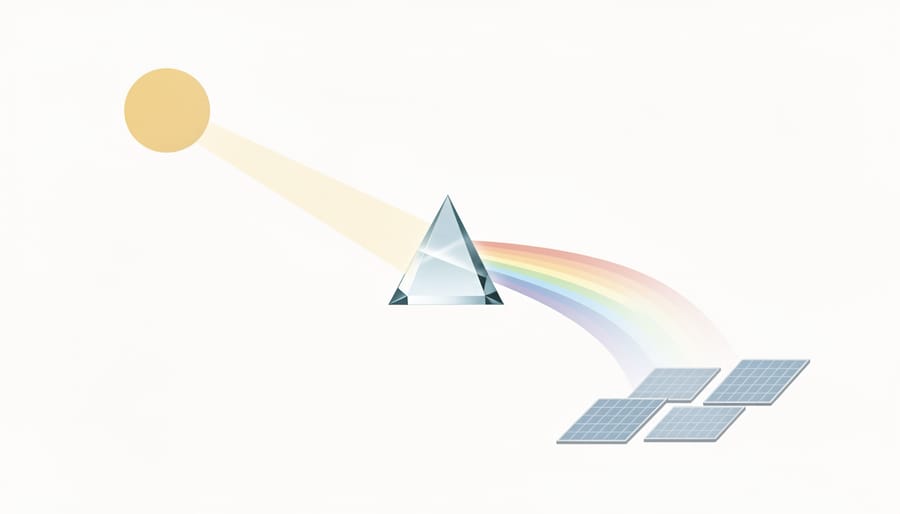
Look for short clips that explain, in plain language, how photovoltaics convert sunlight into electricity. The best ones use simple animations: light hits a panel, energy starts moving, and a lamp turns on. That’s all a young viewer needs.
Afterward, ask your child to spot the panels on a neighbor’s roof. It’s a nice moment when the planets on screen connect to something real on your own street. If they get curious about how much power those panels make, a quick read on solar panel output can turn one video into a family conversation.
6. Hands-On Science Experiment Videos, Learning You Can Do at the Kitchen Table
Some of the best space lessons happen away from the screen. Hands-on experiment videos show a quick demo, then invite kids to try it themselves, which helps ideas stick. Look for videos that explain a concept in a minute or two and use things you already own.
Two easy ones to start with: a shadow-and-sunlight demo and a homemade sundial. For the shadow demo, a flashlight and a small toy show how the Sun’s position changes the length of a shadow. For the sundial, you only need a paper plate, a pencil, and a sunny spot. Mark where the pencil’s shadow falls each hour and watch the Earth’s spin at work.
Cost-saving tip: skip the science kit. A paper plate, a pencil, tape, and a flashlight cost next to nothing, and most families already have them in a kitchen drawer.
7. Documentary-Style Space Series for Older Kids and Teens
Tweens and teens often outgrow cartoon tours and want the bigger story: how the Sun formed, why planets differ so much, and how missions actually reach them. Documentary-style space series fit well here. Many run longer, use real mission footage and computer graphics, and let a curious kid go deeper than a five-minute explainer allows.
Look for series from established science broadcasters, space agencies, and public television. They tend to lean on real researchers and explain ideas step by step rather than just dazzling the eye.
Before pressing play, check the age rating and skim the episode description. Some documentaries touch on heavier topics, like the fate of the Sun or disasters in space exploration, so a quick preview helps you pick what fits your child. Watching an episode together, then chatting about it afterward, makes the learning stick.
8. Classroom-Ready Video Playlists From Educational Publishers and Teachers
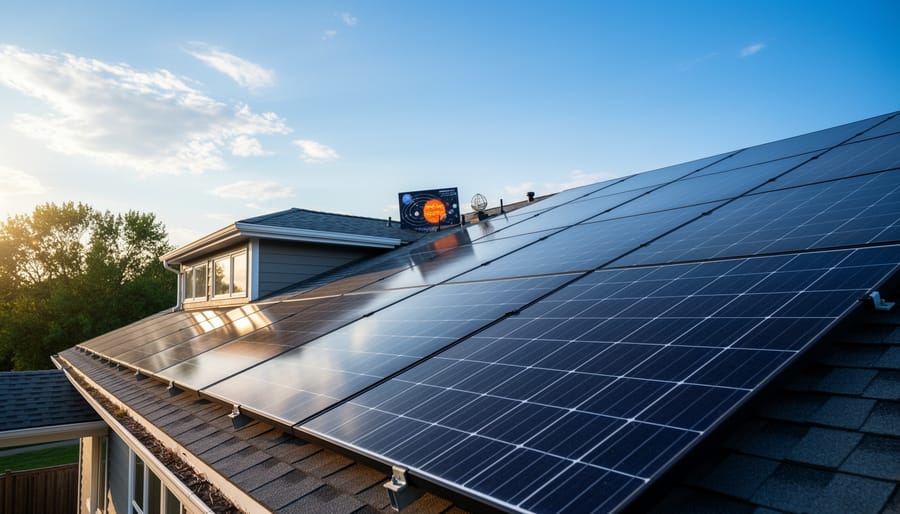
Teachers have already done a lot of the hard work here. Many educational publishers and classroom teachers put together playlists that group solar system videos by grade level, topic, and learning goal. They tend to run in a sensible order, starting with the Sun, moving on to the planets, then touching on space exploration, so kids build understanding step by step.
Parents can borrow these playlists for home learning or homeschooling without changing a thing. Pick one grade band, watch the first video together, and talk about what surprised your child.
Cost-saving tip: many public libraries offer free digital access to educational video services with a library card. Ask your local branch what’s available before paying for a subscription. It’s an easy way to get classroom-quality lessons at no cost.
From Screen to Rooftop: Turning Video Curiosity Into Solar Learning at Home
Picture a typical Los Angeles family. Their seven-year-old watches an animated planet tour one rainy Saturday, then looks up and asks, “Does the Sun make the stuff on our roof work too?” It’s a great question, and it’s how plenty of kids make the leap from space to solar.
Here’s one illustrative way the story could go. The parents lean into the curiosity instead of giving a quick answer. After a Sun-focused video, they pull up the home’s solar app together and look at the day’s energy production. Over a few weeks, it becomes a Friday habit: the child guesses how sunny it was, then checks the numbers to see if the guess held up. Cloudy days become a lesson too, since the panels still make some power, just less.
Parents can build a similar routine with very little effort:
– Pair one video with one question, like “Where does the Sun’s energy go once it leaves the Sun?”
– Let your child sketch the planets or the roof panels while they watch.
– Explain how PV works in one simple sentence: sunlight hits the panels, and the panels turn that light into electricity your home can use.
– Follow a hands-on experiment video with a shadow-tracking afternoon in your own backyard.
Keep sessions short and relaxed. Ten minutes of watching and a few minutes of talking beats an hour of lecturing. Your child’s curiosity will do most of the work, and you’ll be surprised how often the roof becomes part of the conversation.
Common Questions Parents Ask About Solar System Videos and Solar Learning
Parents tend to ask the same handful of things when they start mixing space videos with solar learning. Here are the short answers.
What age should kids start watching solar system videos?
Preschoolers can enjoy gentle animated planet tours, while elementary and middle schoolers do well with NASA’s kids-focused collections. Older kids and teens can move into documentary-style series when they want more depth.
How much screen time is reasonable?
Short bursts work best, so a few minutes of video followed by a conversation or activity beats a long viewing session. Use playlists to keep things on track and preview anything new before sharing it.
How can I tell whether a video is accurate?
Look for videos from agencies, museums, planetariums, or educational publishers, and notice whether the narrator explains the science clearly without hype. If something sounds surprising, a quick check against a trusted source settles it.
How do I connect space videos to solar energy at home?
Start with the Sun-focused videos, then step outside and talk about how sunlight reaches your roof. Kids love spotting the panels and connecting them to the star they just watched on screen.
Can kids learn about their own home’s solar system, too? Absolutely. Many families find that children are eager to follow along once they know the panels on the roof are quietly turning sunlight into power. Ask your child to guess when the house makes the most energy, then compare notes on a bright afternoon versus a cloudy one. It’s a simple, low-cost way to turn curiosity from a video into real-world learning, and no special equipment is needed.
Pick just one video from the list this week and watch it together. When a child sees how the Sun powers the planets, it’s a short hop to wondering how sunlight powers the panels on a nearby roof.
If that curiosity sparks questions about your own home, we’d love to help you explore. Browse LA Solar Map’s educational resources at your own pace, and when you’re ready, take a look at LA solar rebates to see what support may be available.

