

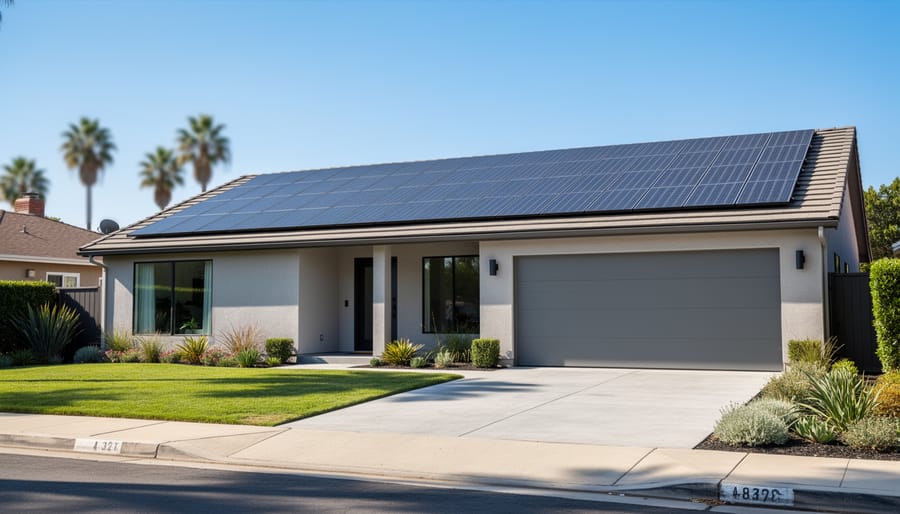

What Is Building Photovoltaics (and How Does It Work)?
Building photovoltaics are solar energy systems integrated directly into a building’s structure, such as solar roof tiles, glass facades, or window panels, rather than mounted on top of existing surfaces. Unlike traditional rack-mounted panels bolted onto your roof, these systems serve a dual purpose: they generate electricity while functioning as part of your home’s actual building envelope.
For Los Angeles homeowners exploring solar options in 2026, this matters because building-integrated photovoltaics (BIPV) can solve problems that conventional panels can’t. Historic districts with strict appearance codes? Solar shingles blend in seamlessly. Limited roof space? Vertical facades and awnings expand your generation capacity. Planning a new construction or major renovation? You can skip buying roofing materials altogether since the solar components replace them.
The practical angle comes down to three questions: What do these systems actually look like and how do they work? Which types make sense for different homes and budgets? And most importantly, will they save you money compared to traditional panels, or do the premium aesthetics come with costs that outweigh the benefits?
This guide walks through everything you need to evaluate building photovoltaics for your home. You’ll learn how these systems generate power, explore the main types available from solar shingles to transparent windows, see real examples of LA installations, and get a clear breakdown of costs versus conventional solar. Whether you’re building from scratch or retrofitting an existing home, you’ll finish with the context to decide if building-integrated solar fits your situation.
What Building Photovoltaics Means for Your Home
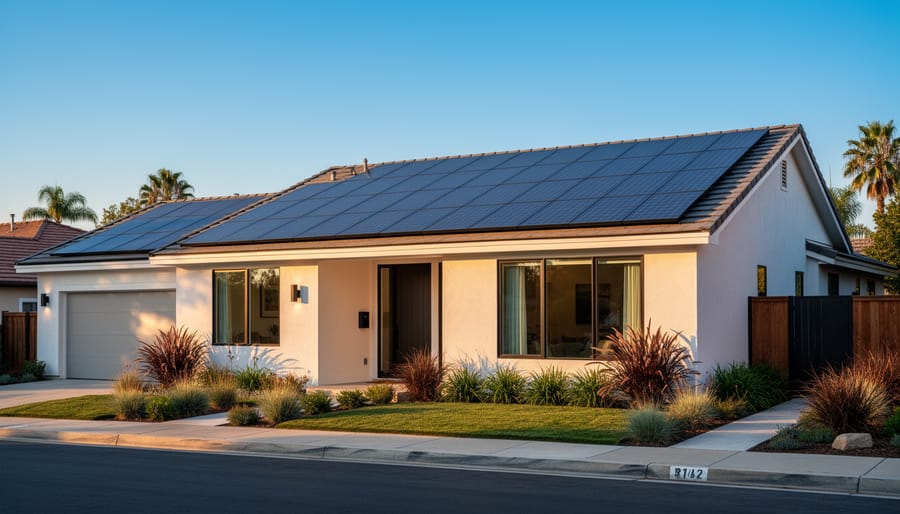
Building photovoltaics, or building-integrated photovoltaics (BIPV), are construction materials that do double duty: they form part of your home’s structure while simultaneously generating electricity from sunlight. Unlike traditional solar panels that sit on top of your existing roof, BIPV becomes your roof, your windows, or your exterior walls. These aren’t add-ons. They’re the building itself, engineered to capture solar energy while protecting and enclosing your home just like conventional materials would.
The core concept is elegantly simple. A solar roof tile, for instance, keeps rain out and generates power. Photovoltaic glass in a skylight lets natural light flood your kitchen while converting ultraviolet rays into electricity. A solar facade panel protects your home’s exterior from the elements and feeds clean energy to your electrical system. You’re not sacrificing square footage or aesthetics to go solar; you’re making your building materials work harder.
- Building-Integrated Photovoltaics (BIPV)
- Construction materials that generate electricity from sunlight while serving as functional building components like roofing, windows, or siding.
- Dual-Function Materials
- Building products engineered to perform two roles simultaneously, structural protection and solar energy generation.
- Solar Shingles
- Roof tiles with embedded photovoltaic cells that replace traditional asphalt or composite shingles while producing electricity.
- Photovoltaic Glass
- Semi-transparent or opaque glazing that generates power from sunlight, used in windows, skylights, and curtain walls.
Maria Rodriguez in Pasadena replaced her aging tile roof with solar shingles during a planned re-roofing project in 2025. She avoided the cost of new tiles and a separate solar installation, ending up with a sleek charcoal roof that generates 7.2 kW of power. Her first full year of electricity bills? Zero, with a credit balance rolling forward each month. She’s now fielding questions from neighbors who thought her home just got a new roof, not realizing they’re looking at a complete home photovoltaic system integrated into the structure itself.
How Building Photovoltaics Work
From Sunlight to Electricity
Building photovoltaics work the same way as traditional solar panels, just built into your roof tiles, windows, or walls instead of mounted on top. When sunlight hits the photovoltaic cells embedded in these materials, it knocks electrons loose from silicon atoms, creating an electrical current. Think of it like a garden hose: photons from the sun are the water pressure, and the cells are the pathway that channels that flow into usable electricity.
The cells in your BIPV materials are wired together in circuits, and the direct current (DC) electricity they produce flows to an inverter. That’s where it gets converted to alternating current (AC) that your home appliances can use. The beauty of building photovoltaics is that this entire process happens invisibly, your roof or windows are doing the work while looking like normal building materials.
Understanding how solar works helps you see why placement matters. BIPV materials need direct sunlight exposure to generate meaningful electricity, just like conventional panels. The panel output you get depends on factors like your roof’s angle, shading from trees, and LA’s abundant sunshine, typically 5-6 peak sun hours daily in Southern California.
Connecting to Your Home’s Power System
Once your building photovoltaics generate electricity, that power flows through the same equipment as a traditional rooftop system. The DC electricity from your solar roof tiles or facade panels travels through wiring to an inverter, usually mounted on an exterior wall or in your garage. The inverter converts that DC power into AC electricity your home can use.
From the inverter, power flows to your main electrical panel. When your building photovoltaics produce more electricity than you’re using, the excess feeds back to the grid through net metering, earning you credits on your utility bill. When you need more power than your system generates, after sunset or during cloudy weather, you draw from the grid as usual.
Adding battery storage gives you more control. A home battery system stores surplus electricity from your building photovoltaics instead of sending it all to the grid. You can then use that stored power during evening hours or during outages, reducing your reliance on utility power and maximizing your solar investment.
The integration process requires a licensed electrician and city permits, but the electrical setup mirrors standard solar installations. Your BIPV materials simply replace panels as the power source while the rest of the system functions identically.
Types of Building Photovoltaics for Homes
Solar Roof Tiles and Shingles
Solar roof tiles and shingles replace your existing roof while generating electricity, making them the most seamless BIPV option for homes. Unlike traditional panels bolted onto your roof, these tiles serve as both weatherproof roofing material and power source. They look nearly identical to premium asphalt or slate shingles, which makes them ideal for neighborhoods with strict aesthetic guidelines.
Tesla’s Solar Roof and GAF Energy’s Timberline Solar are the leading products available to LA homeowners in 2026. Both integrate photovoltaic cells directly into roof tiles that interlock like conventional roofing. Installation typically happens during new construction or when your existing roof needs replacement anyway, so you avoid paying separately for roofing labor and solar installation.
The output varies by roof size and orientation, but a typical 2,000-square-foot LA home can generate 8-12 kilowatts with solar tiles covering south and west-facing sections. Expect premium pricing compared to rack-mounted panels, roughly 30-50% more upfront, but you’re eliminating separate roofing costs and gaining superior curb appeal. Factor in the 30% federal tax credit and local rebates, and the net investment often rivals a high-end traditional roof plus standard solar array combined.
Photovoltaic Windows and Skylights
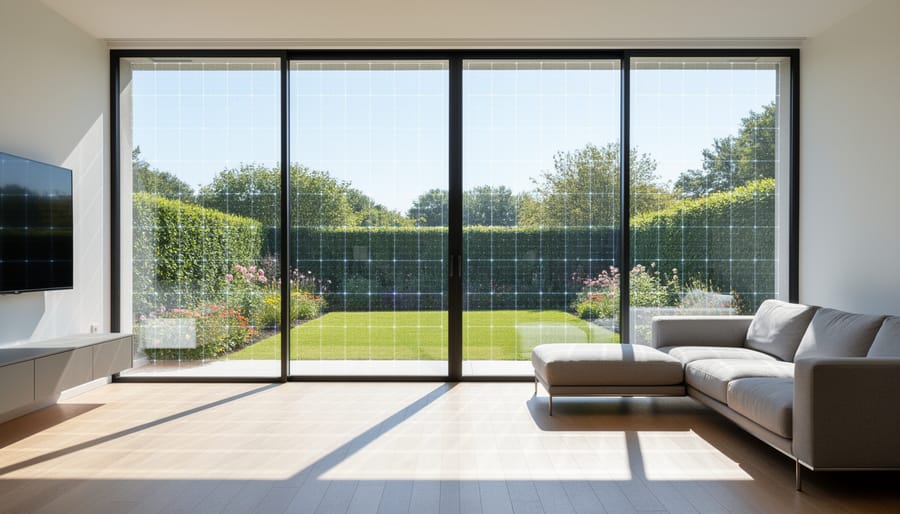
Photovoltaic windows and skylights use semi-transparent solar cells embedded in glass to generate electricity while letting daylight into your home. Unlike traditional windows, these panels contain thin-film photovoltaic layers that capture specific light wavelengths for power while allowing visible light through, though they typically reduce light transmission by 30-70% depending on the technology.
They work best in south-facing windows, skylights, and sunrooms where sun exposure is strongest. The trade-off is clear: you get power generation and some solar heat reduction, but less natural light than standard glass. For Los Angeles homes with abundant sunshine, they’re particularly effective in areas where you want both views and energy production, like covered patios or second-story windows that face the street. Most homeowners use them selectively rather than replacing every window, targeting high-sun areas where the dual function makes sense.
Solar Facades and Siding
Solar facades transform exterior walls into power-generating surfaces, making them ideal when roof space is limited or shaded. These vertical photovoltaic panels integrate directly into your home’s siding or cladding, replacing traditional exterior materials while producing electricity throughout the day.
In Los Angeles, south and west-facing walls receive strong afternoon sun that facade panels capture efficiently. Modern BIPV siding comes in various finishes, from sleek glass panels to textured designs that mimic conventional siding, so your home maintains its curb appeal while generating clean energy.
One Silver Lake homeowner installed solar facades on their west wall facing the street, producing enough electricity to offset their afternoon air conditioning costs while satisfying their neighborhood’s strict design guidelines. The panels look like premium architectural cladding from the sidewalk.
Facade systems work particularly well for multi-story homes where vertical surface area exceeds roof space. They’re also valuable for remodels when you’re already replacing siding, since the incremental cost over premium conventional cladding is relatively modest while adding decades of electricity generation to your investment.
Solar Canopies and Awnings
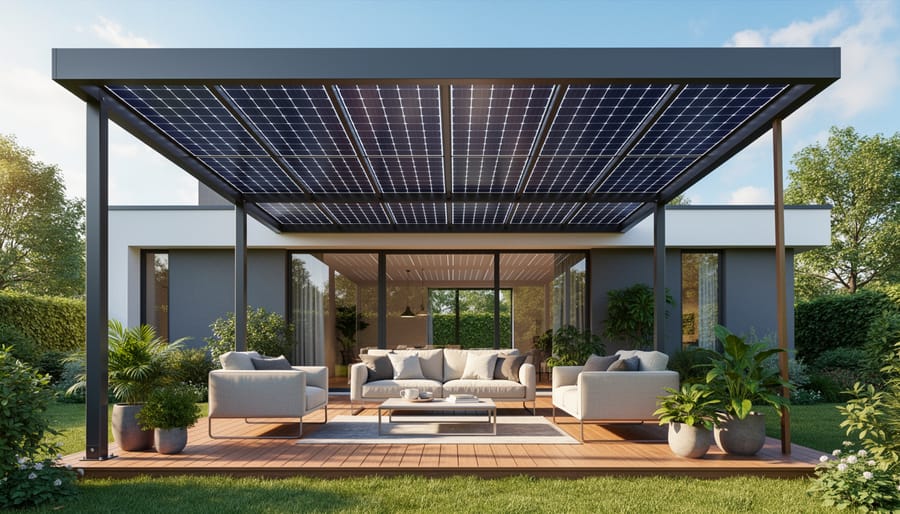
Solar canopies and awnings bring building photovoltaics into your outdoor living spaces. These structures mount over patios, driveways, or walkways to provide shade while generating electricity for your home. A typical carport canopy might produce enough power to offset charging an electric vehicle, while a patio cover can run outdoor lighting and fans with energy to spare.
In Los Angeles, where outdoor spaces see year-round use, these systems make particular sense. They keep cars cooler in summer, create comfortable outdoor rooms, and turn otherwise unused overhead space into power generators. Installation costs run higher than roof-mounted panels per watt, but you gain functional shade structures that many homeowners would build anyway.
How Building Photovoltaics Are Used in Los Angeles Homes
In Southern California’s favorable climate, building photovoltaics have found a practical home in several key scenarios where traditional rack-mounted panels fall short. Los Angeles homeowners are integrating BIPV into new construction projects, leveraging roof replacements as opportunities to add power generation, and finding solutions for properties where conventional solar installations face restrictions or design challenges.
New builds represent the most cost-effective application. When architects and builders incorporate solar roof tiles or photovoltaic windows from the start, they eliminate the need for separate roofing materials and reduce overall construction time. The dual-function materials streamline the building process while future-proofing homes against rising electricity costs.
Roof replacement projects create another ideal entry point. When your aging asphalt shingles need replacement anyway, choosing solar tiles instead adds generating capacity without the expense of two separate projects. The incremental cost difference shrinks considerably when you factor in the avoided roofing materials and installation labor. These systems deliver solid PV energy output while maintaining curb appeal that satisfies neighborhood standards.
BIPV shines in situations where traditional solar faces obstacles:
- New home construction where integration reduces overall building costs
- Roof replacement projects that combine necessary repairs with energy upgrades
- Historic districts with strict aesthetic guidelines that prohibit visible panels
- Modern architectural designs where sleek integration enhances rather than detracts from appearance
- Properties with limited roof space where facades, windows, or canopies provide additional surface area
Historic neighborhoods like Hancock Park and parts of Pasadena have strict design requirements that make traditional panels difficult to approve. Solar tiles that mimic Spanish terracotta or slate offer a workaround that preserves architectural character. Similarly, homes in HOA-controlled communities can avoid approval battles by choosing BIPV options that blend seamlessly with the building design.
One Silver Lake homeowner integrated photovoltaic awnings over south-facing windows, generating power while reducing cooling costs by blocking direct summer sun. The installation qualified for the same 2026 federal tax credit as traditional panels while adding architectural interest to a mid-century modern renovation.
Cost Savings and Financial Benefits
Building photovoltaics typically cost 20-40% more upfront than traditional rack-mounted solar panels, but the gap narrows when you factor in dual functionality. Solar roof tiles, for instance, replace both your old roof and your electricity source. If you’re already facing a $15,000-$25,000 roof replacement in Los Angeles, adding $8,000-$12,000 for integrated solar tiles becomes far more attractive than paying separately for a new roof plus $20,000 for traditional panels.
Installation labor costs drop significantly with BIPV because you’re not paying for both roofing crews and solar installers, one team handles both jobs. This integration can save $3,000-$6,000 compared to sequential projects. In 2026, California’s Self-Generation Incentive Program continues offering rebates for battery storage paired with solar, and the federal Investment Tax Credit covers 30% of your total BIPV system cost, including installation.
Long-term returns improve through premium electricity rates in Southern California. With tiered pricing reaching $0.40-$0.50 per kilowatt-hour during peak hours, BIPV systems generating 8-12 kilowatts can eliminate $200-$350 monthly bills. Most LA homeowners see payback within 12-16 years, after which the electricity is essentially free. The efficiency explained in output ratings shows BIPV performing at 15-20% efficiency versus 18-22% for premium traditional panels, a difference that matters less when your materials already serve structural purposes.
Cost-saving tips: Time BIPV installation during planned renovations to maximize dual-function value. Choose higher-efficiency products for smaller roof areas where space limits matter. Bundle permits to reduce processing fees, and explore Property Assessed Clean Energy financing, which spreads costs over 20-25 years through property tax payments, often at rates lower than the monthly utility savings you’ll generate.
Common Questions About Building Photovoltaics
Homeowners considering building photovoltaics often have practical questions about how these systems perform compared to traditional solar panels and whether they’re feasible for their specific situation.
Are solar roof tiles as efficient as traditional panels?
Building photovoltaics typically convert 15-20% of sunlight to electricity, slightly less than premium rooftop panels at 20-22%. However, they cover more surface area since they replace your entire roof, often generating comparable total power.
How long does BIPV last?
Quality building photovoltaics carry 25-30 year power warranties and often last longer than traditional roofing materials. Solar tiles and facades can outlast conventional shingles while generating electricity the entire time.
Can I add BIPV to my existing home?
You can retrofit certain BIPV products like solar canopies or facade panels, but solar roof tiles work best during new construction or roof replacement. Timing your BIPV installation with planned renovations maximizes value.
Does BIPV require special maintenance?
Building photovoltaics need minimal upkeep, occasional cleaning to remove dust and debris, just like traditional panels. Since they’re integrated into your building structure, there are no racks or mounting hardware to maintain.
Are there rebates for BIPV in Los Angeles?
Building photovoltaics qualify for the federal solar tax credit (currently 30% of system cost) and may be eligible for local LADWP solar incentives. Check current programs, as BIPV often qualifies under the same rules as traditional solar installations.
Permitting for building photovoltaics in Los Angeles follows the same process as traditional solar systems, though your contractor may need to coordinate with both building and electrical inspectors since BIPV serves dual functions. The good news: LA’s streamlined solar permitting applies to BIPV projects, and many installers handle the paperwork as part of their service.
One concern worth addressing is compatibility. If you’re building new, BIPV integrates seamlessly from the start. For existing homes, your roof’s age, condition, and orientation matter most. A south-facing roof needing replacement within five years makes an ideal candidate for solar tiles, letting you tackle both projects at once rather than installing panels you’ll remove during the next re-roofing.
Building photovoltaics offer LA homeowners a unique opportunity to turn their homes into power plants without sacrificing curb appeal. Unlike traditional solar panels that sit on top of your existing structure, BIPV materials replace conventional building components, your roof, windows, or siding, with energy-generating alternatives that serve two purposes at once. You get weather protection and structural integrity while generating clean electricity.
For Los Angeles homeowners, the timing has never been better. If you’re planning new construction or facing a roof replacement in the next few years, BIPV deserves serious consideration. Yes, the upfront cost runs higher than standard roofing plus rack-mounted panels, but you’re paying for one integrated system instead of two separate installations. Factor in 2026’s federal tax credits, California’s solar incentives, and the elimination of redundant labor costs, and the financial picture becomes more attractive.
The technology has matured beyond early adopter status. Today’s solar roof tiles withstand the same weather testing as premium conventional materials, and photovoltaic windows offer genuine design flexibility for modern architecture. Maintenance requirements mirror traditional building materials, with the bonus of decades of electricity generation.
Don’t let the unfamiliarity hold you back. Financing options have expanded significantly, spreading costs across manageable monthly payments that often run lower than your combined utility and loan bills. Start by getting quotes during your next roofing consultation, or explore what BIPV could mean for your new construction project. Your home can work harder for you.

