


How to Find a Solar Energy Installer Who Won’t Cut Corners on Your LA Home
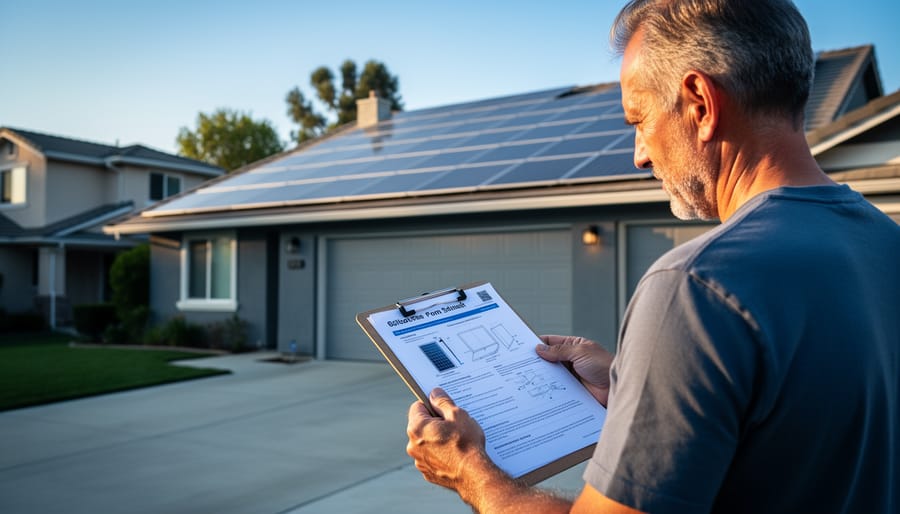
Finding a qualified solar energy installer starts with verification. Check that any installer you’re considering holds an active C-46 Solar Contractor license from the California Contractors State License Board. You can verify this in minutes through the CSLB website, where you’ll also see complaint history and bond status. This single step eliminates unqualified contractors who might compromise your investment.
Request at least three detailed quotes that break down equipment costs, labor, permits, and projected energy savings. The Ramirez family in Pasadena saved $4,200 by comparing proposals and discovering one installer offered identical panels at a significantly lower markup. A trustworthy installer will explain how PV systems work in plain language and provide references from recent local installations you can contact directly.
Examine certifications beyond the basic license. North American Board of Certified Energy Practitioners (NABCEP) certification demonstrates advanced technical knowledge and commitment to industry standards. While not legally required in California, NABCEP-certified installers typically deliver higher quality work and better understand Los Angeles-specific challenges like optimal panel angles for our climate and navigating LADWP interconnection requirements.
Review warranty terms carefully. Quality installers back their workmanship with 10-year warranties minimum, separate from manufacturer equipment warranties. The installer should also carry liability insurance of at least $1 million and workers’ compensation coverage. Ask for certificates of insurance directly from their carrier. These protections ensure you won’t face surprise costs if something goes wrong during or after installation.
Your solar system represents a 25-year investment. Choosing an experienced, properly credentialed installer protects that investment and maximizes your energy savings from day one.
Why Your Solar Energy Installer’s Credentials Matter More Than Their Price Quote
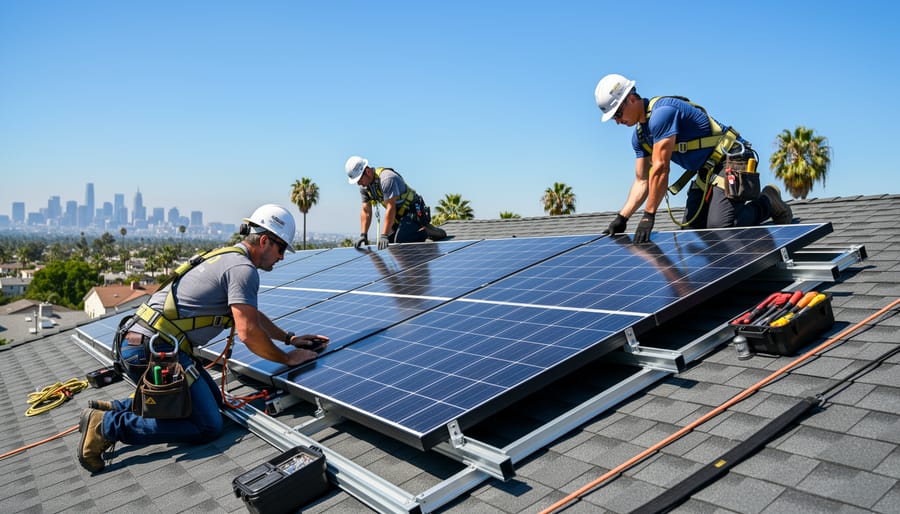
Choosing a solar installer based solely on the lowest bid is one of the most expensive mistakes LA homeowners make. When you hire an unlicensed or under-qualified installer, you’re not just risking a bad installation, you’re potentially facing thousands in repairs, voided warranties, and serious safety hazards.
Start with warranty protection. Most solar panel manufacturers require that installation be completed by licensed, certified professionals to honor their 25-year warranties. If your cut-rate installer lacks proper credentials, that warranty becomes worthless the moment they finish the job. You’ll be on your own for any equipment failures or performance issues.
Safety risks multiply with unqualified work. Solar installations involve live electrical systems on your roof. Installers who skip certifications often lack the expertise to properly handle high-voltage DC connections, ground fault protection, or safe rooftop practices. Poor workmanship can lead to electrical fires, roof leaks, or even electrocution hazards for your family.
Permit problems create another nightmare. Los Angeles requires specific contractor licenses for solar work, and building inspectors will red-flag installations by unlicensed contractors. You could face stop-work orders, fines, or be forced to tear down and reinstall the entire system at your own expense. The California solar pros you hire must hold valid state licenses to pull permits legally.
System failures from improper installation mean your panels won’t produce the energy you paid for. Incorrectly wired inverters, poorly angled arrays, or substandard mounting can cut your energy production by 20-40%. That $3,000 you saved upfront becomes a $15,000 loss over the system’s lifetime.
Maria Torres in Pasadena learned this the hard way. She initially chose an installer who undercut everyone by $4,500. Three months after installation, her system failed inspection, panels started leaking during winter rains, and her equipment warranty was voided. She ended up paying $12,000 to have a properly licensed installer fix the damage and reinstall everything correctly. Her advice now: “Credentials aren’t expensive, they’re priceless.”
The Essential Certifications Every LA Solar Energy Installer Should Have
NABCEP Certification: The Gold Standard
NABCEP (the North American Board of Certified Energy Practitioners) sets the national standard for solar installer competency. If your installer holds a NABCEP credential, you’re working with someone who’s proven their knowledge and field experience through objective testing.
Start by looking for the NABCEP PV Associate credential. This entry-level certification shows your installer understands solar fundamentals, system components, and installation basics. It’s a good baseline, but it doesn’t require hands-on experience yet.
The real proof comes with higher-tier certifications. NABCEP’s PV Installation Specialist (PVIS) credential requires documented field hours and proves your installer has actually completed real-world solar projects. The PV Installation Professional (PVIP) certification sits at the top, demanding extensive experience and mastery of complex system design. These aren’t weekend certifications you get online. An installer needs years of verified work and must pass comprehensive exams covering electrical theory, system sizing, code compliance, and troubleshooting.
For LA rooftop installations, this expertise matters more than you might think. Your roof probably has multiple angles, shading challenges from neighboring buildings, or older framing that requires careful load calculations. A NABCEP-certified installer knows how to handle these variables without cutting corners. They’ve proven they can design systems that maximize your energy production while meeting California’s strict electrical and building codes.
When an installer mentions NABCEP credentials, ask which level they hold and when they earned it. The best installers keep current with continuing education, staying on top of 2026’s latest equipment and code changes.
California Electrical and Contractor Licenses
In California, your solar installer must hold one of two state-issued licenses to legally work on your home. The California C-10 electrical license authorizes contractors to handle all aspects of electrical work, including solar installations, while the California C-46 solar license specifically covers solar systems. Both require contractors to pass technical exams, demonstrate field experience, and maintain bonds and insurance.
Most established installers carry a C-10 license because it covers broader electrical work. However, a C-46 license proves specialized focus on solar technology. Either one legally permits your installer to pull permits, connect your system to the grid, and ensure code compliance.
These licenses exist for your protection. They guarantee your installer understands California’s building codes, electrical safety standards, and grid interconnection requirements. Licensed contractors must carry liability insurance and a contractor’s bond, which protects you if something goes wrong during or after installation.
Check your installer’s license status through the California Contractors State License Board website before signing any contract. Enter their license number to see if it’s active, verify there are no disciplinary actions, and confirm their bond and insurance are current. This two-minute check can save you from costly headaches down the road. An unlicensed installer can’t legally pull permits for your LA home, which means your system won’t pass inspection and you’ll forfeit rebates and incentives.
Specialized Training and Hands-On Experience
Beyond passing a licensing exam, qualified solar energy installers complete rigorous hands-on training through programs approved by organizations like the Electronics Technicians Association (ETA). These programs require practical field experience in solar resources, system design, and installation techniques, not just classroom theory. This matters for your LA home because rooftop installations demand real-world problem-solving skills that only come from working on actual systems.
Continuing education separates committed professionals from installers coasting on old knowledge. The solar industry evolves rapidly, and 2026 brings updated building codes, new inverter technology, and refined safety protocols that weren’t standard even two years ago. Installers who stay current through ongoing training courses understand these changes and apply them to your project.
The three-year recertification cycle built into credentials like NABCEP requires installers to complete continuing education and demonstrate they’re keeping pace with industry advances. When your installer mentions their upcoming recertification, that’s a positive sign, they’re maintaining their expertise rather than letting it stagnate. This cycle ensures the person designing and installing your system knows current best practices, not outdated methods that could compromise performance or safety.
Energy Storage Installation Professional (ESIP) for Battery Systems
If you’re considering backup battery systems alongside your solar installation, your installer should hold NABCEP’s Energy Storage Installation Professional (ESIP) certification. Battery storage involves high-voltage DC systems and specialized safety protocols that go beyond standard solar panel work. An ESIP-certified installer has proven expertise in integrating lithium-ion batteries, managing thermal runaway risks, and meeting California’s fire and electrical codes for energy storage equipment. Without this credential, you risk improper battery placement, inadequate ventilation, or faulty wiring that could void warranties or create fire hazards. For LA homeowners adding batteries to maximize self-consumption during peak rates or ensure backup during outages, ESIP certification confirms your installer understands both the solar array and the storage system as an integrated whole, not just bolted-on components.
How to Verify Your Solar Energy Installer’s Credentials (Step-by-Step)
Using IREC’s National Solar Licensing Database
The IREC licensing database is your starting point for understanding what California requires from solar installers. Go to the database homepage and select California from the state dropdown menu. You’ll see a breakdown of the electrical and contractor licenses required for solar work in your state, along with any local jurisdiction variations that might apply in Los Angeles County.
Pay attention to the distinction between electrical contractors (C-10 license) and solar contractors (C-46 license). The database clarifies which license types allow an installer to legally perform specific aspects of your project. If your installer claims they don’t need certain credentials, cross-reference their statement against what IREC lists for California.
The database updates regularly to reflect changes in state requirements, so it’s more current than asking your installer what they think the rules are. Print or screenshot the California requirements page before your installer meetings. When an installer describes their licensing, you can verify on the spot whether they actually hold what California mandates for residential solar installations.
Checking the California State Contractors Board
The California State Contractors Board website is your go-to resource for deep-diving into an installer’s background. Start by visiting cslb.ca.gov and entering the contractor’s license number in the License Search tool. Within seconds, you’ll see their license status, issue date, and expiration. Check that it’s current and covers the work you need, either C-10 (electrical) or C-46 (solar) for photovoltaic systems.
Don’t stop at the license itself. Scroll down to review their bond and insurance status. California requires contractors to carry liability insurance and a surety bond to protect you if something goes wrong. If these are expired or missing, walk away.
Next, check the complaint history. The board lists all filed complaints, whether substantiated or not, plus any disciplinary actions like license suspension or revocation. One or two minor complaints over many years might be normal, but a pattern of serious violations is a red flag. Also verify the business address matches what they’ve told you, some unlicensed operators use borrowed license numbers. This five-minute check can save you from hiring someone who cuts corners or operates outside the law.
Confirming NABCEP and Other Professional Certifications
Start by visiting NABCEP’s official website, where you can search their public certification registry using the installer’s name or company. The database shows active certifications, specializations, and expiration dates. If your installer claims NABCEP credentials but doesn’t appear in the registry, that’s a red flag.
When speaking with potential solar energy installers, ask to see physical copies of their NABCEP certificates. These documents include unique ID numbers you can cross-reference online. Request proof of recent continuing education completion, certified installers must complete courses every three years to maintain their credentials. A legitimate professional will readily provide this documentation.
Don’t hesitate to ask when their certification expires. Current 2026 credentials demonstrate the installer stays updated on the latest solar technology, building codes, and safety standards. If they seem evasive about showing proof or their certification lapsed years ago, keep looking. Your LA home deserves someone who invests in staying qualified.
Red Flags That Signal an Unqualified Solar Energy Installer
Trust your instincts when something feels off. If an installer can’t provide a California C-10 or C-46 license number on the spot, walk away. Legitimate solar energy installers keep their credentials readily accessible because they know LA homeowners do their homework.
Watch for vague responses about certifications. When you ask about NABCEP credentials, a qualified installer will specify whether they hold PV Associate, PVIS, or PVIP certification and when it was last renewed. Answers like “we have all the necessary certifications” or “our team is fully trained” without specifics mean they’re dodging the question. Unqualified installers count on homeowners not knowing what to ask for.
Pressure tactics signal trouble. A solar energy installer who pushes you to sign same-day contracts or claims a “special deal expires today” is prioritizing their commission over your project quality. Professional installers give you time to verify their license through the California State Contractors Board and check their track record. They’re confident their credentials will withstand scrutiny.
Be wary of unusually low bids that undercut other quotes by 30% or more. These installers often cut corners on equipment quality, skip permit requirements, or lack proper insurance coverage. Your neighbor’s cousin who “does solar on the side” might charge less, but without a contractor’s license and liability insurance, you’re exposed to thousands in potential repair costs if something goes wrong.
Red flags multiply when installers can’t explain the permitting process or suggest “we can skip some of that paperwork to save time.” Los Angeles has specific solar installation codes, and licensed contractors know the inspection requirements inside out. Anyone offering to bypass permits is setting you up for code violations that could void your system warranty and force expensive retrofits later.
Finally, steer clear of installers who refuse to provide references from recent LA projects or whose online reviews are suspiciously generic. Qualified solar energy installers maintain relationships with past clients and welcome verification calls. If they’re evasive about past work, there’s usually a reason.
Questions to Ask Your Solar Energy Installer Before You Sign
Walking into a sales meeting armed with the right questions turns you from a passive listener into an informed decision-maker. Start with the basics: ask for their C-10 electrical contractor license number and C-46 solar contractor license if they hold both. A qualified professional will provide these without hesitation and encourage you to verify them through the California State Contractors Board. If they dodge the question or claim licenses aren’t necessary for your project, walk away.
Next, dig into their certification credentials. Ask specifically about NABCEP certifications, whether they employ installers with PV Associate credentials at minimum, or ideally PVIP-level certification for lead installers. Find out how many years of field experience their crew has with residential installations in LA. The answer matters because a three-person crew with two decades of combined experience beats a ten-person team where nine started last month.
Push deeper on local expertise. Ask how many permits they’ve pulled in LA County in the past year and their approval rate on first submission. Request examples of projects similar to yours, same roof type, similar shading challenges, comparable system size. If you’re considering battery storage, confirm they have Energy Storage Installation Professional certification and ask about their experience integrating batteries with existing electrical panels.
What license should my LA solar installer have?
They need a valid C-10 electrical contractor license or C-46 solar contractor license issued by California. Verify the license number through the state contractors board before signing any contract.
How do I verify NABCEP certification?
Ask for the installer’s NABCEP credential number and verify it directly through the NABCEP website. NABCEP requires recertification every three years, so current credentials demonstrate ongoing professional development.
Should I ask about subcontractors?
Absolutely. Ask whether the company uses subcontractors and request their license numbers and certifications too. You want every person working on your roof properly qualified and insured.
What warranty questions should I ask?
Clarify what the workmanship warranty covers, how long it lasts, and whether it remains valid if you move with solar panels already installed. Get warranty terms in writing before signing.
Finally, address the business side. Ask about their workmanship warranty length and what it covers beyond equipment warranties. Find out their average project timeline from contract signing to system activation, and what could delay that schedule. Request three recent references from LA homeowners whose installations happened within the past year, then actually call those references. Their answers will tell you whether the installer delivers what they promise or leaves customers frustrated with delays and poor communication.
How Proper Licensing Protects You Through the End-to-End Installation Process
A licensed solar energy installer doesn’t just show up with panels and tools. Their credentials matter at every single step of your project, from the first site visit to the day your system goes live.
During the site assessment, a certified installer knows how to evaluate your roof’s structural capacity, shading patterns, and electrical panel compatibility. They spot potential problems early, not halfway through construction. Licensed contractors understand LA’s specific building codes and fire setback requirements, designing systems that pass inspection the first time rather than requiring costly corrections.
When it comes to permitting, your installer’s contractor license determines whether your project moves forward smoothly or stalls at the city building department. The C-10 electrical or C-46 solar contractor license grants legal authority to pull permits in Los Angeles. Unlicensed installers often skip permits entirely or file incomplete paperwork, leaving you with an illegal installation that voids warranties and complicates future home sales.
During installation, NABCEP-certified professionals follow manufacturer specifications and electrical codes that protect your home from fire hazards and equipment damage. They know proper wire sizing, grounding techniques, and how to integrate your system with the grid safely. Shoddy installation work leads to roof leaks, electrical fires, and system failures that can cost $15,000 or more to fix.
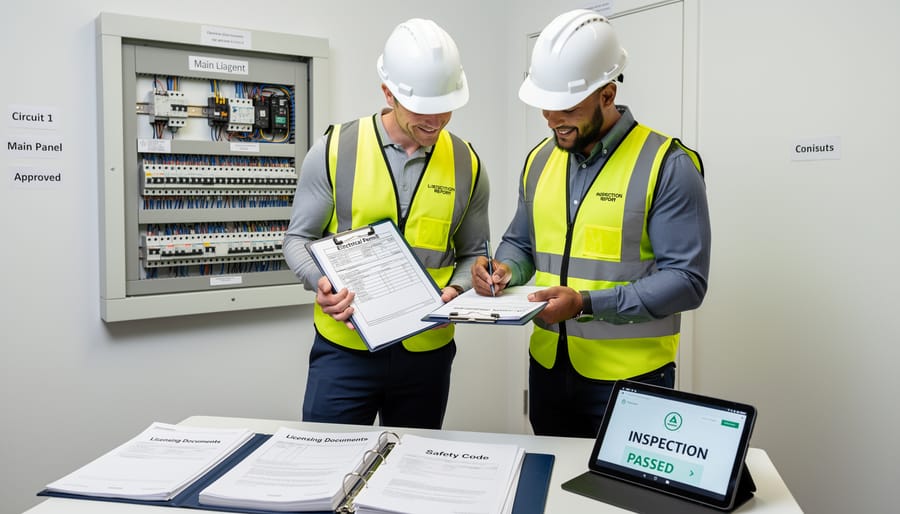
The inspection phase reveals whether corners were cut. Licensed installers understand what building inspectors look for because they’ve studied the same codes. Their work passes inspection, allowing your system to receive permission to operate.
Maria Gonzalez in Silver Lake hired a NABCEP-certified installer for her 8.5 kW system in 2025. The project cleared all inspections on the first try, activated two weeks ahead of schedule, and she’s already banked $2,400 in energy savings. Her installer’s credentials translated directly into a stress-free experience and a system that performs exactly as promised. That’s the difference proper licensing makes.
Choosing a qualified solar energy installer isn’t just about ticking boxes on a checklist. It’s about protecting your investment, ensuring your system performs reliably for decades, and safeguarding your family’s safety. The credentials we’ve covered throughout this guide exist for a reason: they represent proven competence, accountability, and a commitment to quality that will serve you long after the panels go up.
When you hire a properly licensed and certified solar energy installer, you’re buying more than just hardware on your roof. You’re investing in peace of mind knowing that your system was designed correctly, installed to code, and backed by professionals who stand behind their work. The few extra hours you spend verifying credentials now can save you thousands in avoided repairs, insurance headaches, and lost solar incentives down the line.
Don’t let a rock-bottom price quote tempt you into cutting corners on installer qualifications. The cheapest bid often becomes the most expensive mistake. Take the time to verify licenses through the California State Contractors Board, confirm NABCEP certifications, and ask the tough questions we’ve outlined. Your due diligence today directly translates to system performance, warranty protection, and worry-free solar maintenance for years to come.
Start your search with credentials first, price second. Your LA home deserves an installer who won’t compromise on quality, and your family deserves the full financial and environmental benefits that only a properly installed solar system can deliver.

