


Solar Optimization: How to Maximize Your Solar Panel Performance and Savings in 2026
Solar optimization means squeezing every possible kilowatt-hour from your panels through smart technology, precise positioning, and ongoing performance monitoring. For Los Angeles homeowners, this typically translates to 15-30% more energy production without installing additional panels, which can mean an extra $400 to $900 in annual savings on your electricity bill.
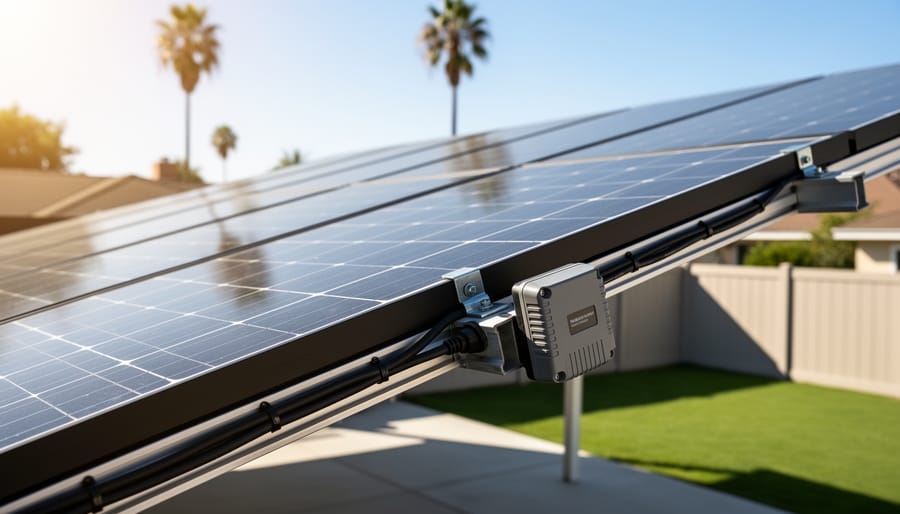
The core of solar optimization happens in three ways: using microinverters or power optimizers that maximize output from each individual panel (instead of letting one shaded panel drag down your entire system), fine-tuning panel angles and placement to capture Southern California’s intense sunlight throughout the day, and monitoring software that alerts you the moment performance dips. Think of it as the difference between a car that just runs and one that’s been tuned for peak efficiency.
What makes optimization particularly valuable in 2026 is how much panel technology has improved while electricity rates have climbed. A well-optimized system in Los Angeles can now offset nearly 100% of your home’s energy consumption during peak production hours, essentially running your meter backward when the sun is strongest. The Martinez family in Pasadena saw their monthly bills drop from $180 to just $22 after optimizing their five-year-old system, all without adding a single new panel.
The question isn’t whether solar optimization works. It does. The real question is whether your specific roof layout, shading patterns, and energy usage make professional optimization services worth the investment, and how quickly those improvements will pay for themselves.
What Solar Optimization Really Means for Your Home
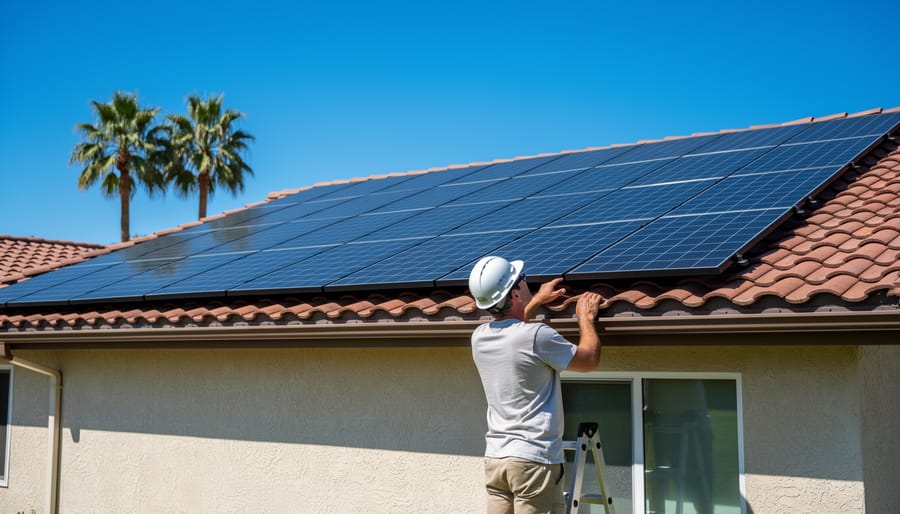
Solar optimization means getting every kilowatt-hour your panels are capable of producing, nothing more, nothing less. It’s the difference between a solar system that meets your basic needs and one that maximizes your investment by squeezing the most energy from every ray of sunlight hitting your roof.
When you install solar panels without optimization, you’re working with a one-size-fits-all approach. Installers may use standard angles, generic equipment, and default settings that technically work but don’t account for your home’s unique characteristics. An optimized system, by contrast, is tailored to your specific roof geometry, energy consumption patterns, and local conditions. In LA, where we have abundant sunshine year-round, that customization can translate into substantial gains.
Three core factors determine whether your solar installation performs at its peak or leaves energy on the table. Panel placement, including tilt angle, orientation, and shade avoidance, directly impacts how much sunlight your panels convert. A south-facing panel at the ideal tilt captures far more energy than one installed flat or facing the wrong direction, even on the same roof.
Technology choices matter just as much. High-efficiency panels and smart inverters extract more usable electricity from the same sunlight compared to budget alternatives. Your neighbor’s 20-panel system might produce less energy than your 16-panel setup if you’ve chosen superior equipment optimized for LA’s climate.
Finally, ongoing maintenance keeps your system running at design capacity. Dust, debris, and minor component degradation erode performance over time. Regular monitoring catches these issues before they compound into serious losses.
The Five Key Areas of Solar Optimization
Panel Placement and Roof Analysis
In Los Angeles, where sunshine is abundant, the difference between good and great solar performance often comes down to placement. South-facing roofs typically deliver the strongest panel output but the optimal tilt angle (usually 30-34 degrees for LA) and precise positioning matter just as much. A professional site assessment uses tools like PVWatts site and shading analysis to identify obstructions, nearby trees, chimneys, or neighboring structures, that could cast shadows during peak production hours. Even partial shading on a single panel can reduce your entire array’s output by 20% or more if the system isn’t designed to handle it.
LA homeowners should know that flat roofs offer flexibility for ideal angling with mounting systems, while sloped roofs may require strategic panel placement to avoid morning or afternoon shade zones. Professional assessors measure your roof’s azimuth, evaluate structural integrity for mounting, and model year-round sun paths specific to your address. This upfront analysis prevents costly mistakes and ensures every panel works at its full potential from day one.
System Sizing and Energy Matching
Getting your solar system size right means matching your panel array to what you actually use, not just installing the biggest system your roof can hold. An oversized system wastes money upfront and may produce excess energy you can’t use or store effectively. An undersized system leaves you buying expensive grid power to cover the gap.
Professional optimization starts with analyzing your household’s energy consumption patterns, not just your total monthly kilowatt-hours, but when you use power throughout the day. A family running air conditioning all afternoon needs different sizing than one with evening-heavy usage. In LA, where summer cooling drives consumption, understanding your peak demand hours helps right-size your array.
Your installer should review at least 12 months of utility bills to capture seasonal variations. They’ll account for planned changes too, adding an electric vehicle or pool changes your energy profile significantly. Proper sizing typically aims for 100-110% of your annual usage, giving you room for efficiency improvements while avoiding overshooting. This precision prevents the common mistake of installing capacity you’ll never fully utilize or falling short of your actual needs.
Equipment Selection and Technology
Choosing the right equipment makes a measurable difference in how much energy your system produces over its 25-year lifespan. The three technology decisions that matter most are your solar panels, inverter type, and monitoring system.
Panel efficiency determines how much sunlight converts to electricity. Modern panels range from 15% to 22% efficiency. Higher-efficiency panels cost more upfront but generate more power from the same roof space, crucial for LA homes with limited south-facing area or partial shade issues.
Inverters convert the DC electricity your panels produce into AC power your home uses. String inverters work well for unshaded roofs, while microinverters optimize each panel individually, essential if trees or chimneys cast shadows during peak sun hours. Power optimizers split the difference, offering panel-level optimization at lower cost than microinverters.
Monitoring systems track real-time production and alert you to performance drops. Even basic monitoring helps you catch issues like debris buildup or equipment failures before they significantly impact your savings. Professional Solar Energy Optimization Services can recommend the equipment combination that matches your roof conditions, budget, and energy goals without paying for unnecessary premium features.
Energy Storage Integration
Battery storage transforms a good solar system into a great one by capturing energy your panels produce during peak sunlight hours and releasing it when you need it most, typically evenings when electricity rates spike. In Los Angeles, where time-of-use rates can triple your costs after 4 PM, batteries let you avoid expensive grid power by using your own stored solar energy instead.
Beyond bill savings, storage provides backup power during outages, which matters more as California’s grid faces increasing strain. A typical home battery holds 10-15 kWh, enough to run essentials like refrigeration, lights, and Wi-Fi through an overnight outage.
Storage makes the most financial sense if you’re on a time-of-use rate plan, experience frequent power disruptions, or want energy independence. With federal tax credits covering 30% of battery costs through 2032, plus occasional local incentives, systems often pay for themselves within 8-12 years while immediately improving your energy resilience. If your primary goal is maximizing solar value rather than backup power alone, battery integration delivers compounding returns that simple grid-tied systems can’t match.
Ongoing Monitoring and Maintenance
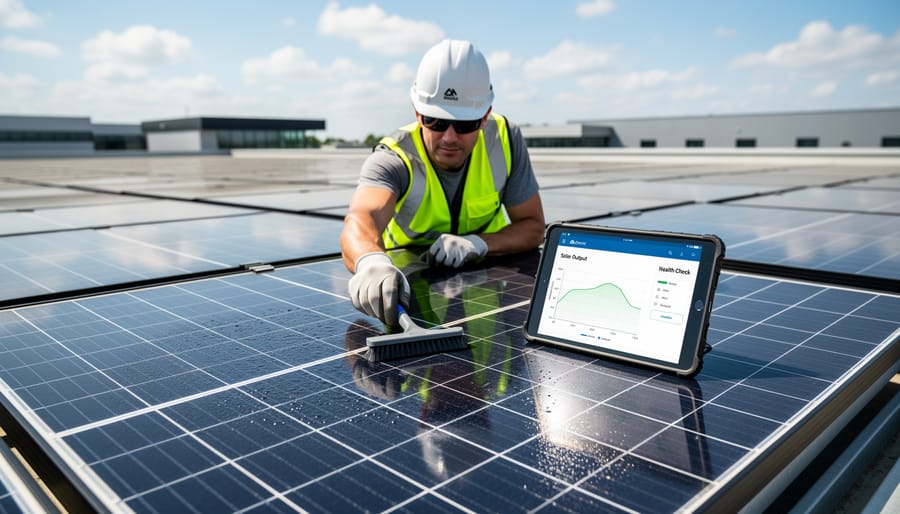
Once your optimized solar system is installed, consistent monitoring and upkeep determine whether you’ll actually realize the projected savings. Even a perfectly placed array loses efficiency without attention, dust accumulation alone can reduce output by 15-25% in LA’s climate, where months pass without significant rainfall to naturally rinse panels.
Professional solar maintenance typically includes quarterly performance reviews that compare actual production against expected benchmarks, flagging drops that signal equipment issues or shading changes from tree growth. Real-time monitoring systems alert you to inverter failures or individual panel problems before they compound, often catching issues days or weeks earlier than you’d notice through monthly utility bill comparisons.
Cleaning schedules matter more than most homeowners expect. In coastal LA areas with salt spray or inland zones with construction dust, professional cleaning every 4-6 months maintains peak output, while less-exposed locations might stretch to twice yearly. Between professional visits, a simple rinse with a garden hose during cooler morning hours prevents buildup without thermal shock risks from cold water hitting hot panels midday.
System health checks, inspecting electrical connections, verifying inverter operation, and confirming mounting hardware hasn’t loosened, prevent small problems from becoming expensive repairs that halt production for days while parts ship.
How Solar Optimization Increases Your Savings
A properly optimized solar system typically produces 15-25% more electricity than a standard installation, translating directly to hundreds of dollars in annual savings. For an average LA home with a $150 monthly electricity bill, that difference means an extra $270-450 back in your pocket each year, and those savings compound over your system’s 25-year lifespan.
Consider the Martinez family in Pasadena, who upgraded their existing solar installation with optimized panel placement and a high-efficiency inverter. Their energy production jumped by 22%, cutting their annual grid dependence from $780 to just $320. The optimization investment paid for itself in under four years, and they’re now on track to save an additional $11,500 over the system’s remaining lifetime.
The financial impact grows when you factor in LA-specific advantages. Optimized systems capture more energy during peak sun hours, which matters because California’s time-of-use rates charge significantly more for afternoon and evening electricity. By maximizing production when rates are highest, optimized installations offset your most expensive consumption. Pairing this with LA solar rebates and federal tax credits can reduce your upfront costs by 40-50%, shortening payback periods to 5-7 years instead of 8-10.
Storage integration amplifies these savings further. LA homeowners with optimized battery systems avoid costly grid electricity during evening peak hours entirely, storing midday solar excess for nighttime use. This strategy typically saves an additional $400-700 annually compared to solar-only installations.
The ROI difference is clear: standard solar installations in LA average a 9-11% annual return on investment, while optimized systems consistently deliver 12-15%. That’s the difference between recovering your investment in nine years versus six, and maximizing the profit years that follow.
What Professional Solar Energy Optimization Services Include
Professional solar optimization services follow a structured process designed to extract maximum performance from your investment. Understanding what specialists actually deliver helps you evaluate providers and set realistic expectations.
- Comprehensive Site AssessmentA qualified technician visits your property to analyze roof condition, shading patterns throughout the day, electrical panel capacity, and structural considerations. They’ll measure sun exposure at different times and identify any obstacles that could limit production.
- Custom System DesignUsing data from the assessment, engineers create a tailored plan that specifies panel placement, equipment selection, and optimal system size for your energy consumption. This design phase accounts for your roof’s unique characteristics and your household’s actual usage patterns.
- Equipment Procurement and InstallationThe service handles sourcing high-efficiency components and coordinates professional installation following manufacturer specifications and local building codes. When you choose an installer who prioritizes optimization, they’ll ensure proper mounting angles, secure wiring, and inverter placement that maximizes efficiency.
- System Commissioning and TestingAfter installation, technicians verify that every component operates at design specifications, calibrate monitoring systems, and confirm the array produces expected output under current conditions.
- Performance Monitoring and SupportOngoing services include remote system monitoring, alerts for performance drops, scheduled maintenance reminders, and troubleshooting support. Many providers offer annual check-ups to clean panels and verify continued optimal operation.
Look for providers who offer transparent pricing, detailed proposals showing expected production figures, and clear warranties covering both equipment and workmanship. The best optimization services include post-installation education so you understand your monitoring dashboard and know what performance metrics matter for your specific system.
Common Solar Optimization Questions Answered
How much does solar optimization typically cost in Los Angeles?
Optimization costs vary based on your specific needs and existing setup. For homes with existing solar systems, optimization services might range from $500 for basic performance tuning and monitoring upgrades to $3,000 or more if you’re adding components like optimizers or upgrading inverters. If you’re installing a new system, professional optimization is often included in the overall project cost, which runs between $15,000 and $30,000 for typical LA homes depending on system size. The key is that optimization improvements usually pay for themselves through increased energy production, most homeowners see their optimization investment recovered within three to five years through higher savings.
Can I optimize my solar system if it’s already installed?
Absolutely. Existing systems can benefit significantly from optimization, especially if they were installed more than five years ago or weren’t originally designed with maximum efficiency in mind. Common upgrades include adding panel-level monitoring to identify underperforming units, installing optimizers to reduce shading losses, upgrading to a more efficient inverter, or adjusting panel angles if roof conditions allow. A professional assessment will identify which improvements offer the best return for your specific situation without requiring a complete system replacement.
How long does the optimization process take?
Initial assessment and recommendations typically take one to two weeks. Physical upgrades or new installations range from one day for simple monitoring additions to several weeks for comprehensive system optimization with new equipment.
Will I see immediate results after optimization?
Most homeowners notice improved performance within the first billing cycle, though the full financial impact becomes clearer over three to six months as you track production across different seasons and weather patterns.
Do I need battery storage for my system to be considered optimized?
No, battery storage is optional. While batteries enhance optimization by storing excess energy, a well-optimized system without storage can still maximize production and savings through proper panel placement, equipment selection, and monitoring.
What if my roof faces the wrong direction for solar?
Professional optimization can work with less-than-ideal roof orientations by adjusting panel angles, selecting high-efficiency equipment, and strategically placing panels across multiple roof planes to compensate for directional limitations.
The timeline for seeing return on your optimization investment depends on several factors. LA’s abundant sunshine means optimized systems typically produce measurable increases in output immediately, but the payback period for your investment will depend on your current electricity rates, system improvements made, and available incentives. Most homeowners find that tracking their energy production through monitoring systems helps them understand exactly how their optimizations are performing month by month.
Solar optimization isn’t a luxury reserved for tech enthusiasts or those with unlimited budgets, it’s a practical approach that helps everyday LA homeowners get more from their solar investment. Whether you’re planning a new installation or already have panels on your roof, optimization strategies can increase your energy production by 15-30% and accelerate your payback timeline significantly.
The good news? You don’t need to figure this out alone. Professional solar energy optimization services handle the complexity for you, from analyzing your roof’s specific conditions to designing a system that matches your household’s actual energy patterns. They navigate the technical decisions and ensure your installation performs at its peak from day one.
Your home’s solar potential depends on dozens of variables, sun exposure, roof characteristics, energy usage, and local climate conditions. A customized optimization plan addresses these factors specifically for your situation, not a one-size-fits-all approach.
Ready to see what optimized solar could mean for your home? Start with a professional assessment that evaluates your property’s unique conditions and energy needs. It’s the first step toward a solar system that delivers maximum performance and savings for years to come.

